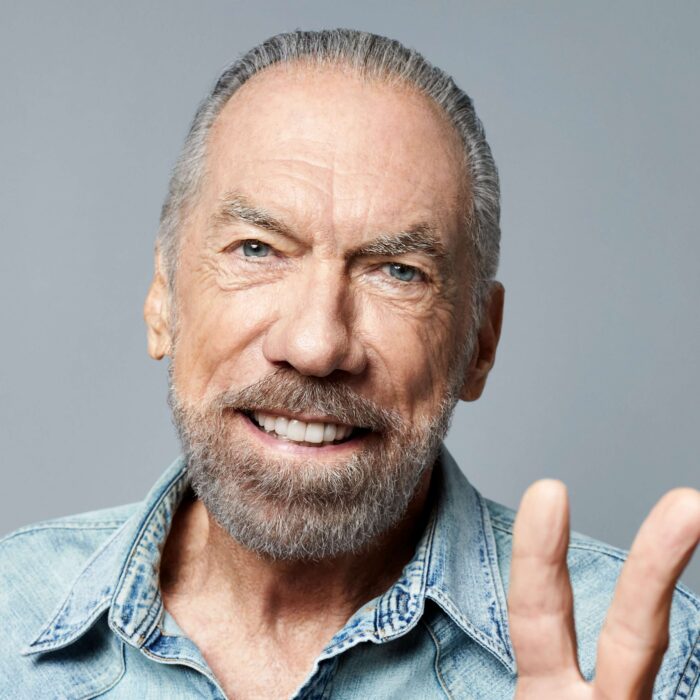
John Paul DeJoria epitomizes the American dream, rising from adversity to become a renowned entrepreneur and philanthropist. He is best known for co-founding iconic brands John Paul Mitchell Systems and The Patrón Spirits Company. John Paul has made philanthropy his core mission, establishing JP’s Peace, Love & Happiness Family Foundation in 2011 to contribute to a sustainable planet by investing in people, animals, and the environment. This year, he was recognized as #24 on Forbes’ list of the 250 Greatest Self-Made Americans. His motto, “Success Unshared is Failure,” which is also the title of his new book, reflects a lifelong commitment to sharing success and fostering positive change.
Summary
John Paul DeJoria’s life story has the shape of the American dream, but in this conversation he keeps pulling it back from myth into practice. He begins with a lesson from his mother, who had very little after his father left but still taught him and his brother to give a dime to the Salvation Army because someone else always needed more. That early ethic becomes the foundation of his book, motto, and operating philosophy: success only matters if it is shared.
The discussion then moves through the formative hardships that could have made him bitter: foster care, homelessness, odd jobs, and door-to-door sales. John Paul does not romanticize those moments, but he does turn them into practical leadership lessons. When you are down, don’t relive what got you there; look for the next constructive step. When you are rejected, be prepared for it, refuse to personalize it, and knock on the next door with the same enthusiasm.
From there, the episode turns to entrepreneurship. John Paul explains why Paul Mitchell was built for the “reorder business,” not the selling business: make the product so good that customers come back again and again. Scarcity forced the company to become lean, direct, and deeply customer-centered, teaching hairdressers how to use and sell the products instead of relying on advertising. The same playbook carried into Patrón, where education, quality, and grassroots selling helped create a premium tequila category that many distributors initially said was too expensive to scale.
Finally, the conversation becomes a meditation on values, leadership, and legacy. John Paul talks about refusing to test on animals, stripping out unnecessary middle management, learning to let go as a leader, and building a culture where people know the mission without constant supervision. His philanthropy follows the same logic as his companies: not just giving money away, but investing in dignity, self-sufficiency, and a chance for people to move one notch higher. His definition of excellence closes the loop beautifully: excellence is what you do when no one is looking and the desire to keep finding something you can do a little bit better.
Takeaways
- “Success Unshared is Failure” was not a slogan for John Paul; it started as a childhood lesson in generosity when his family had almost nothing.
- Adversity only becomes useful when it teaches you to look forward. You cannot change “yesterday’s newspapers,” but you can decide the next step.
- Rejection is survivable when you expect it. The trick is not to avoid the closed doors, but to keep your energy intact for the next one.
- Great businesses are built for reorder, not just first purchase. Quality has to be strong enough that customers come back without being chased.
- Scarcity can sharpen a company. With no advertising budget, Paul Mitchell had to win by educating hairdressers and helping salons create retail revenue.
- The real product was the system: the bottle, the stylist education, the salon relationship, and the customer experience all worked together.
- Values become real when they cost something. Refusing to test on animals was not positioned as a marketing tactic but as a line John Paul would not cross.
- The best partnerships have clear lanes. Paul Mitchell brought the hairdressing and creative credibility; John Paul brought the business building and go-to-market engine.
- Scaling as a leader requires letting go. John Paul had to learn that having time to think was as important as personally overseeing every detail.
- The best philanthropy is a hand up, not a handout. John Paul frames giving as an investment in someone’s ability to become self-sufficient.
- Excellence is not status or achievement. It is the standard you hold when no one else is watching and the commitment to keep growing.
Notes:
Book: Success Unshared is Failure
Foundation: JP’s Peace, Love & Happiness Family Foundation
Businesses discussed: